

THE PUNCH • IMPACT STORIES
Crafting Timeless Tranquility
The Evolution of Bambu Indah
Written by The Punch
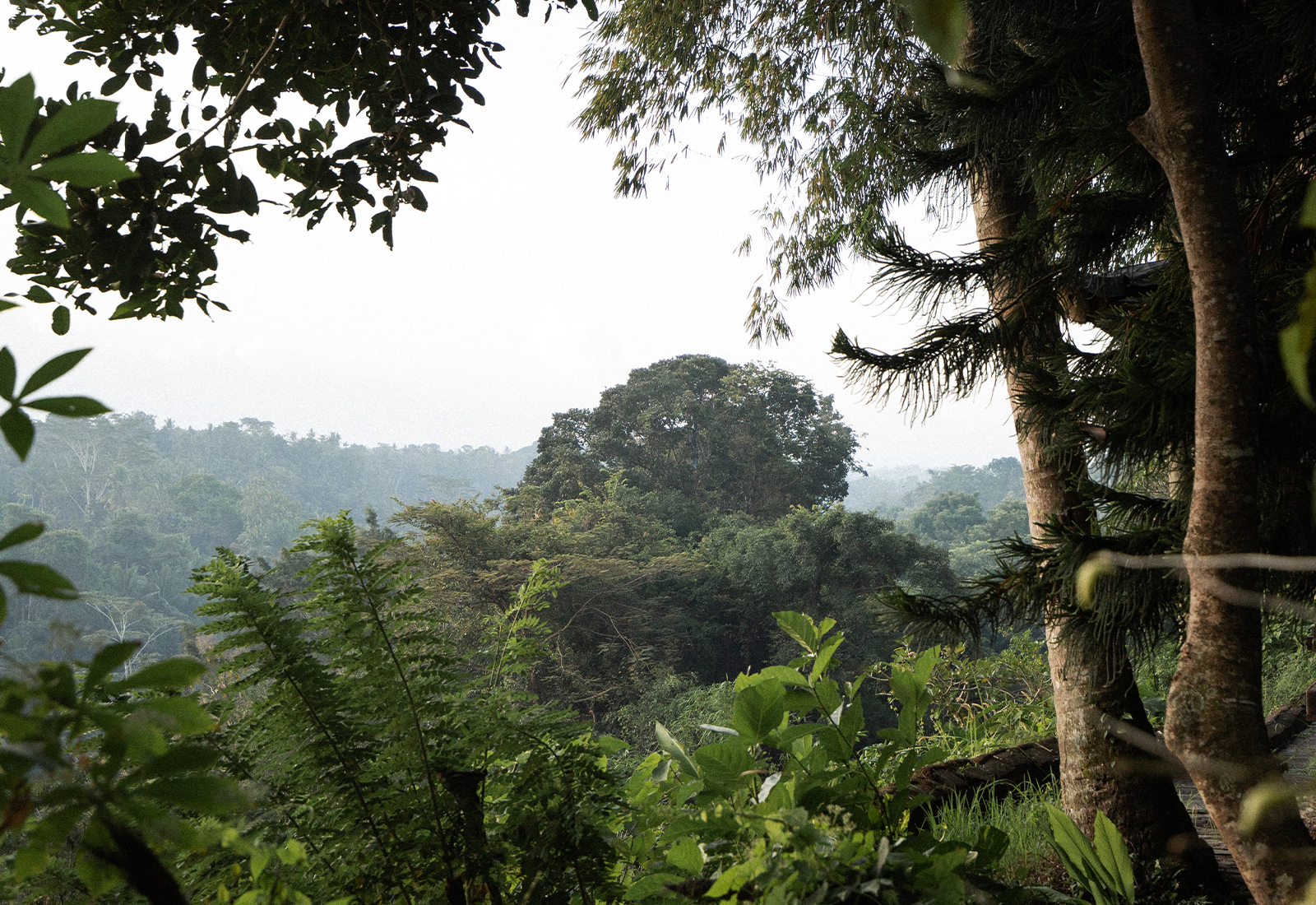
Bambu Indah sits in Baung, a village in Sayan, Ubud, whose name evokes a "land of growth". It stands on a ridge above the Ayung River, surrounded by sacred grounds, rice terraces and jungle. The boutique hotel has a magical quality that seems to dissolve into its surroundings, as if it had always been there.
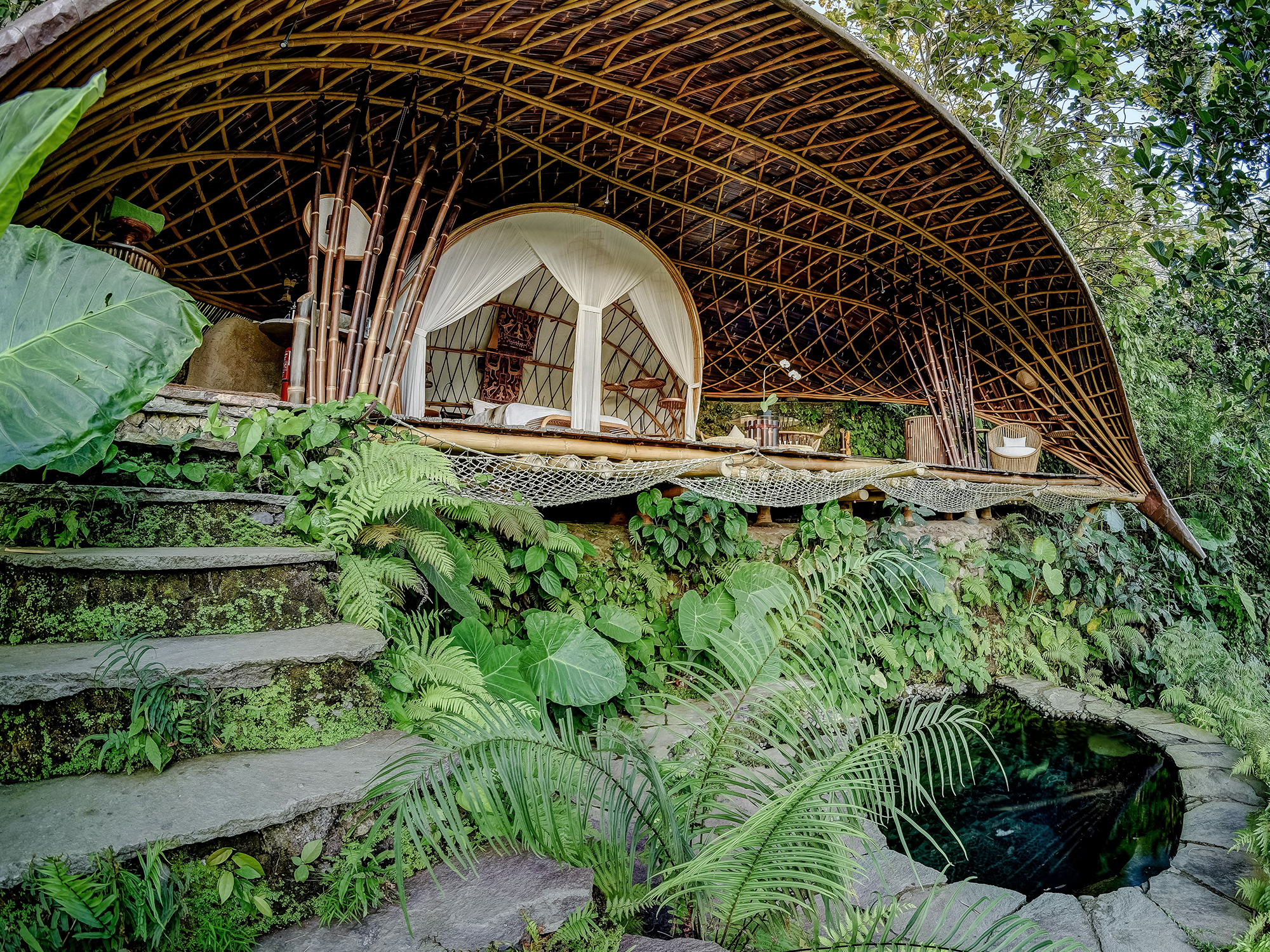
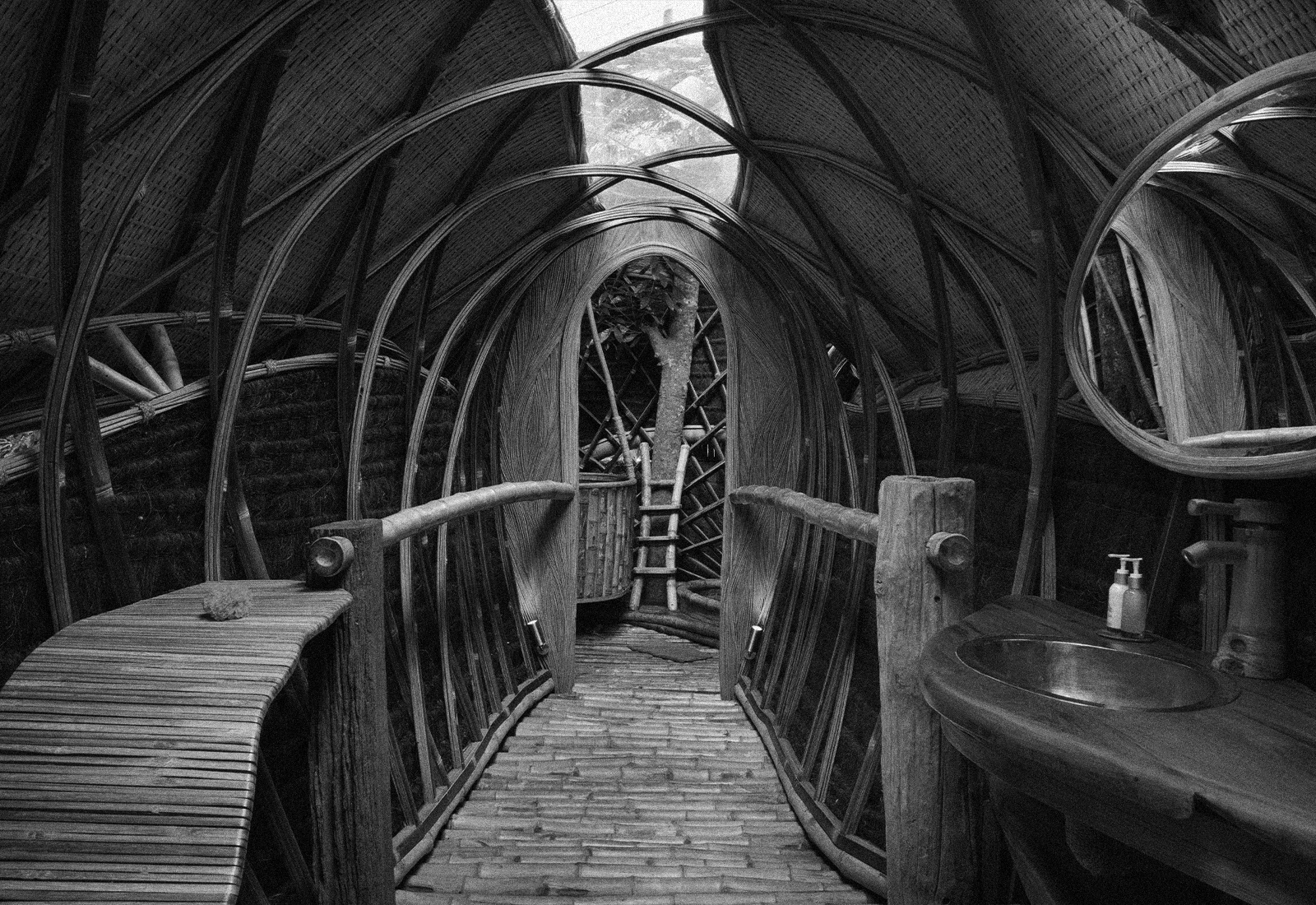
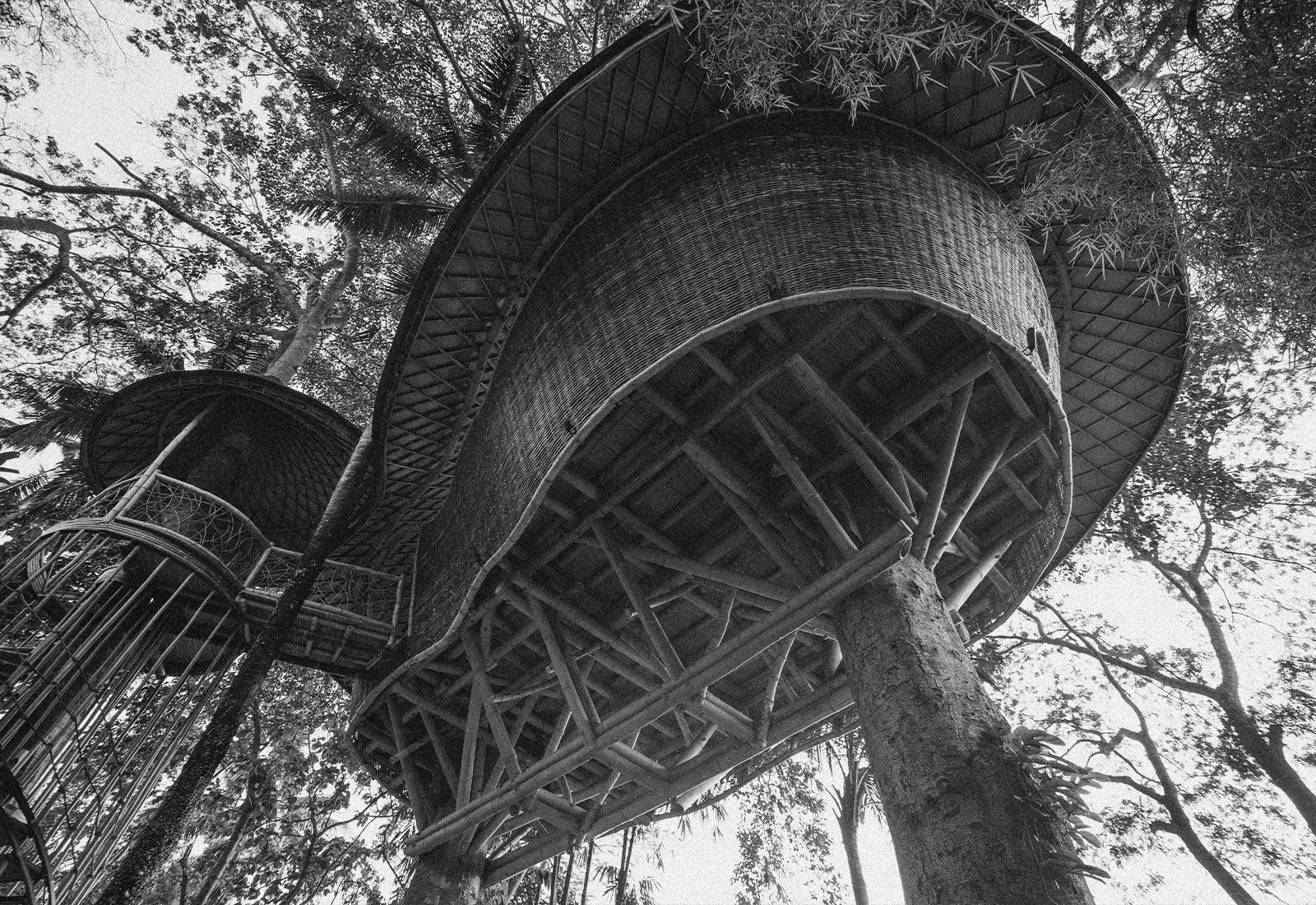
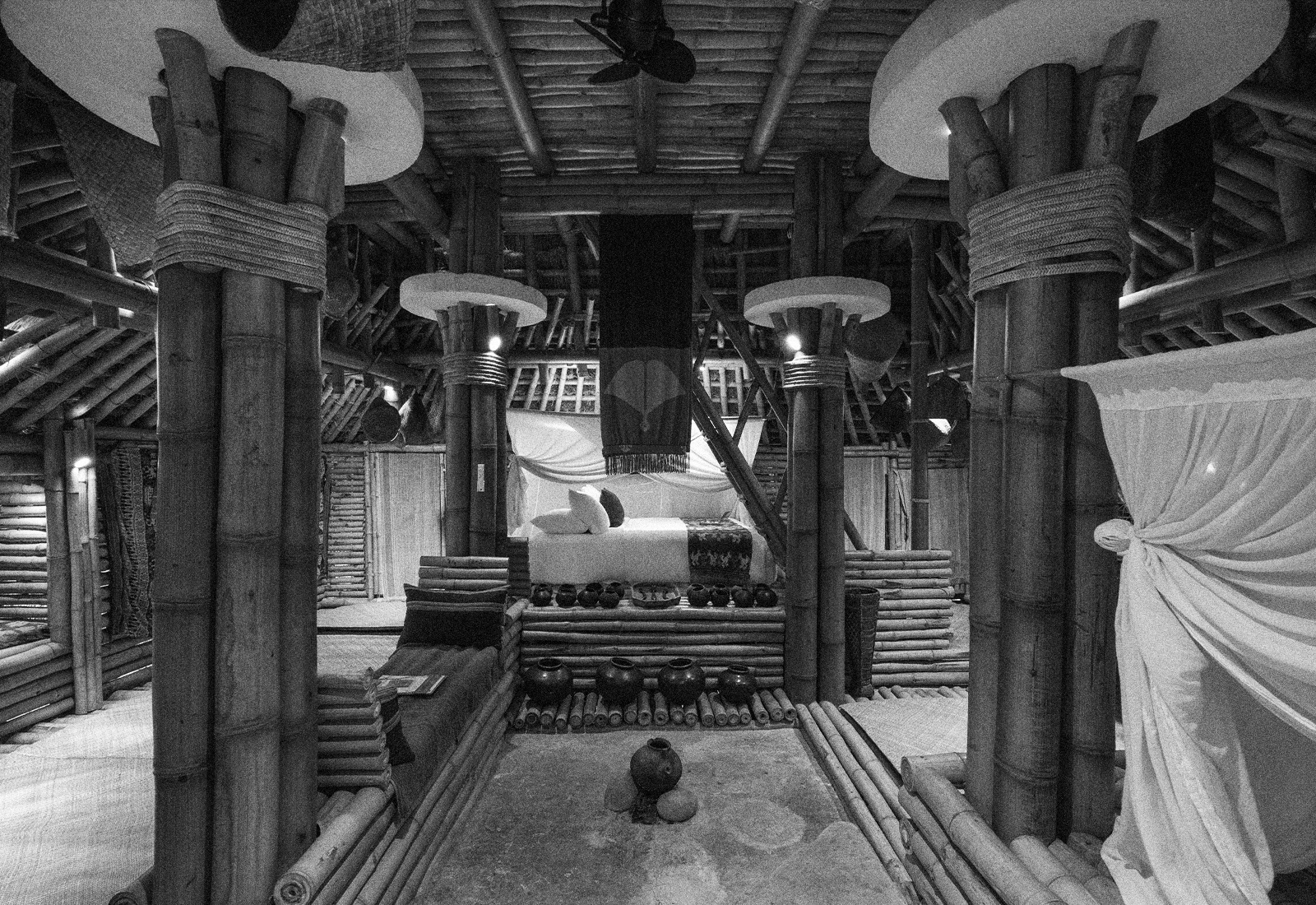
What began as a few wooden houses among bamboo groves is now a collection of 24 houses, and no two are alike. There are eleven antique Javanese teak bridal houses, seven signature houses, four bamboo Nests and two Mahogany Tents, spread across roughly 4.8 hectares of bright green lawns, gardens and rice paddies. At its heart is the Sumba House, a replica of a traditional Sumbanese home with a roof that rises about 11 metres.
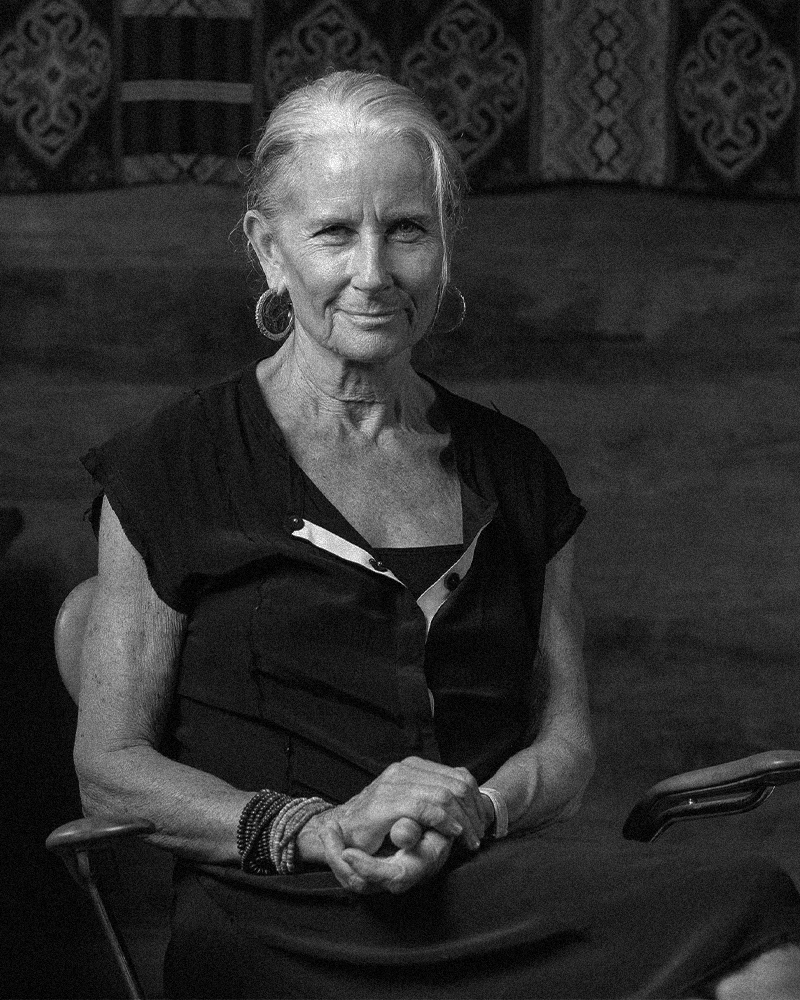
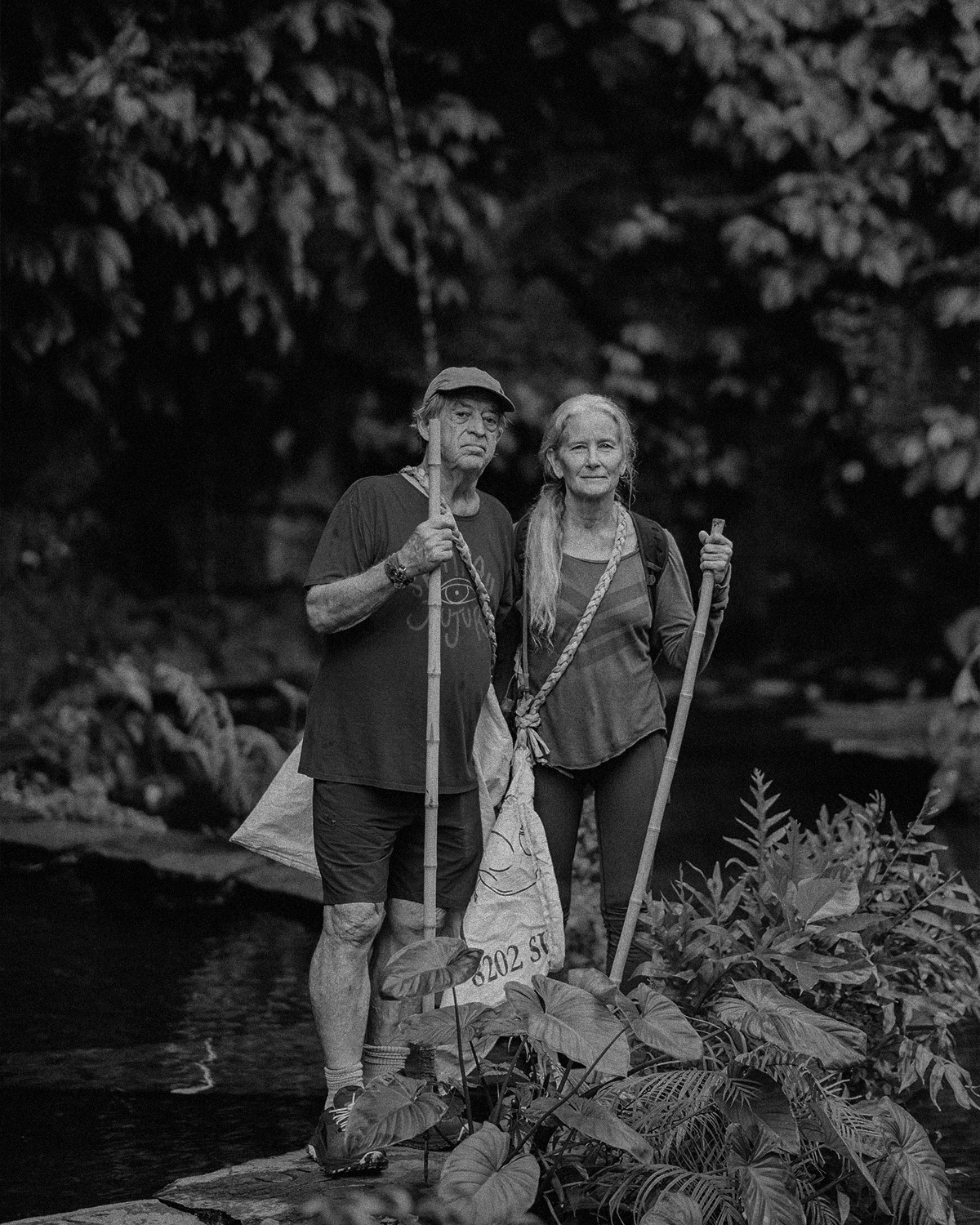
It is the work of John and Cynthia Hardy. John came to Bali in 1975 and Cynthia in 1982, and together they built a jewellery business before turning their attention to the land. They never set out to open a hotel. In their words, Bambu Indah is "an accidental hotel".

ORIGINS OF BAMBU INDAH
The Hardys have lived on the Sayan ridge since 1990. In the early 2000s the land next to their home came up for sale. Worried that a hotel would be built next door, they bought it, and for many years they were happy to leave it empty. "We personally wanted to create space," as they put it.
Their house was often full of guests, and some of them wanted to be by themselves. So in 2005 the couple began placing old Javanese gladaks on the land. These teak bridal houses, each more than a century old, were taken apart in Central and East Java and rebuilt on the ridge. The first stays were simple, at US$20 a night, with the money going directly to the housekeeping staff. That modest beginning evolved over two decades into a collection of 24 distinctive accommodations, bringing together restored Javanese houses, innovative bamboo architecture and spaces designed around the surrounding landscape.
The name came from a bamboo grove beside one of the first wooden houses, and from the Indonesian phrase "ini bambu indah sekali": "this bamboo is so beautiful." The phrase stuck, and so did the spirit behind it, a deep love of nature and a wish to build a place that belongs to the land rather than sits on top of it.
THE DEFINING SPIRIT
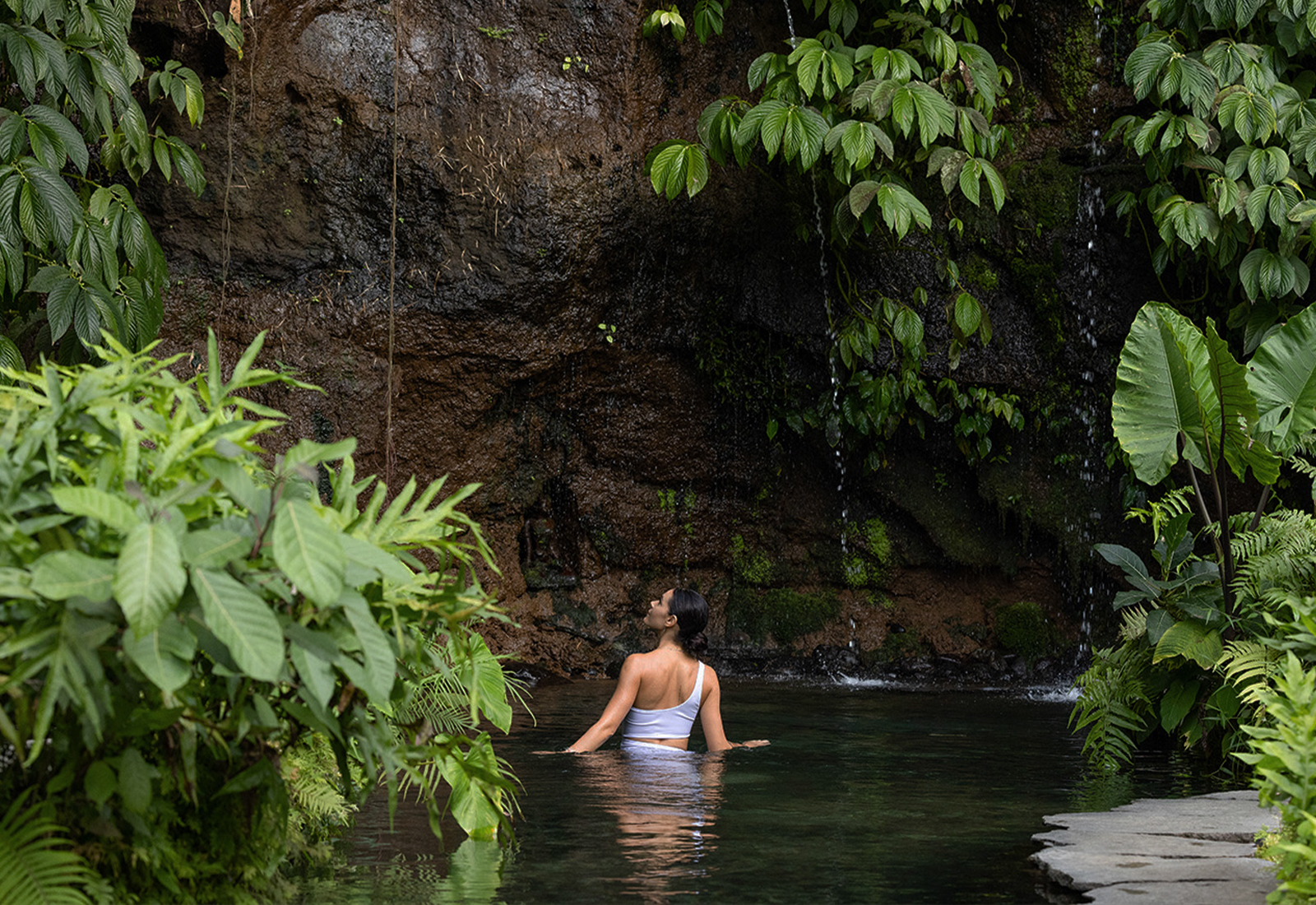
The founders hold many moments dear. One of their favourites was the celebration at the end of a Bamboo U course, when 45 people gathered by the river for a buffet and a slideshow. Many of them were swimming in natural spring water for the first time and could not wait to dive in. Watching their amazement moved Cynthia deeply.
Some of the best moments are unplanned. Sitting on the Sunset Deck, Cynthia watched a coconut burst open thirty metres up in its protective net, after a squirrel had eaten a hole in it. Coconut water began to drip down. "We put down a glass to catch the falling coconut nectar and we enjoyed it very much," she says. "If you apologise enough for things being inconvenient, the guests find it charming."
That is the spirit of the place. The Hardys have banned the word luxury from Bambu Indah. "Bambu Indah is love and life," they say. Paths meander rather than run from A to B, floors may creak, and air conditioning is focused on the bed. "You cannot wander around Bambu Indah looking at your phone," John says. "You have to pay attention. And when people tune in and pay attention, it completely changes their headspace."
PERSONAL STORIES IN THE DESIGN
John and Cynthia share a deep love of wood and of the raw way Javanese builders worked with hardwood. "We saw old wood that had soul and feeling and grace," Cynthia says of the gladaks. John is drawn to how they were made: "They were built when men were men and teak was teak." Pegged together with intricate joints from timber cut by hand, they come from a time before giant sawmills. Their admiration extends to other Javanese forms, the limasan and the joglo.
Their own home stands on stilts above a pond, echoing a Borneo longhouse. The idea came from a trip Cynthia made in 1989 with a friend from California, to a nomadic village where 60 Punan people lived together in one longhouse.
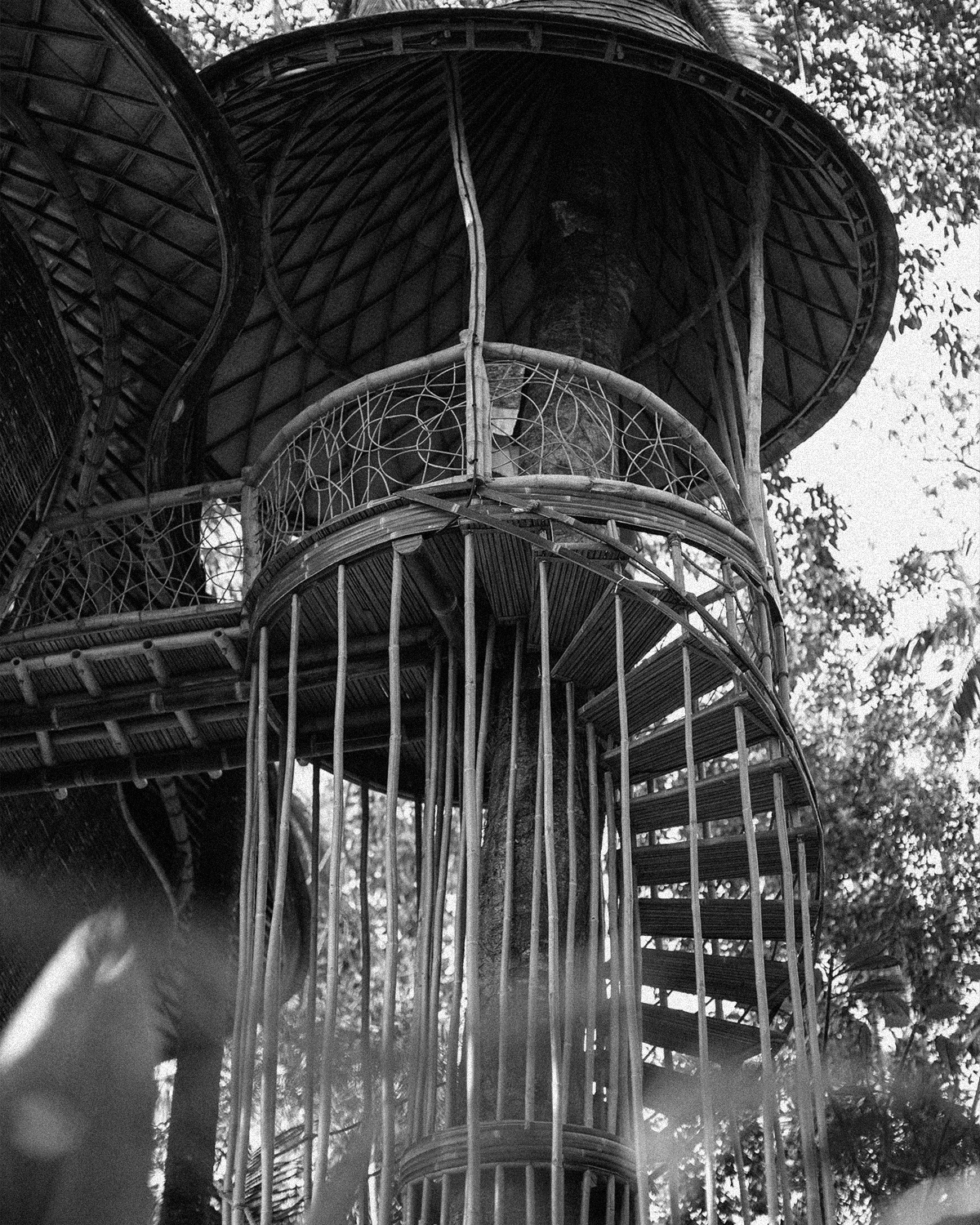
Bamboo came later, and it became a family story. John first built with bamboo in 1990, making a tree house for their children, Elora and Orin, beside a little wooden shack below the Amandari. Elora went on to found IBUKU, the bamboo design studio behind many of Bambu Indah's signature buildings and its bamboo Nests. Orin founded Bamboo Pure, which builds them.
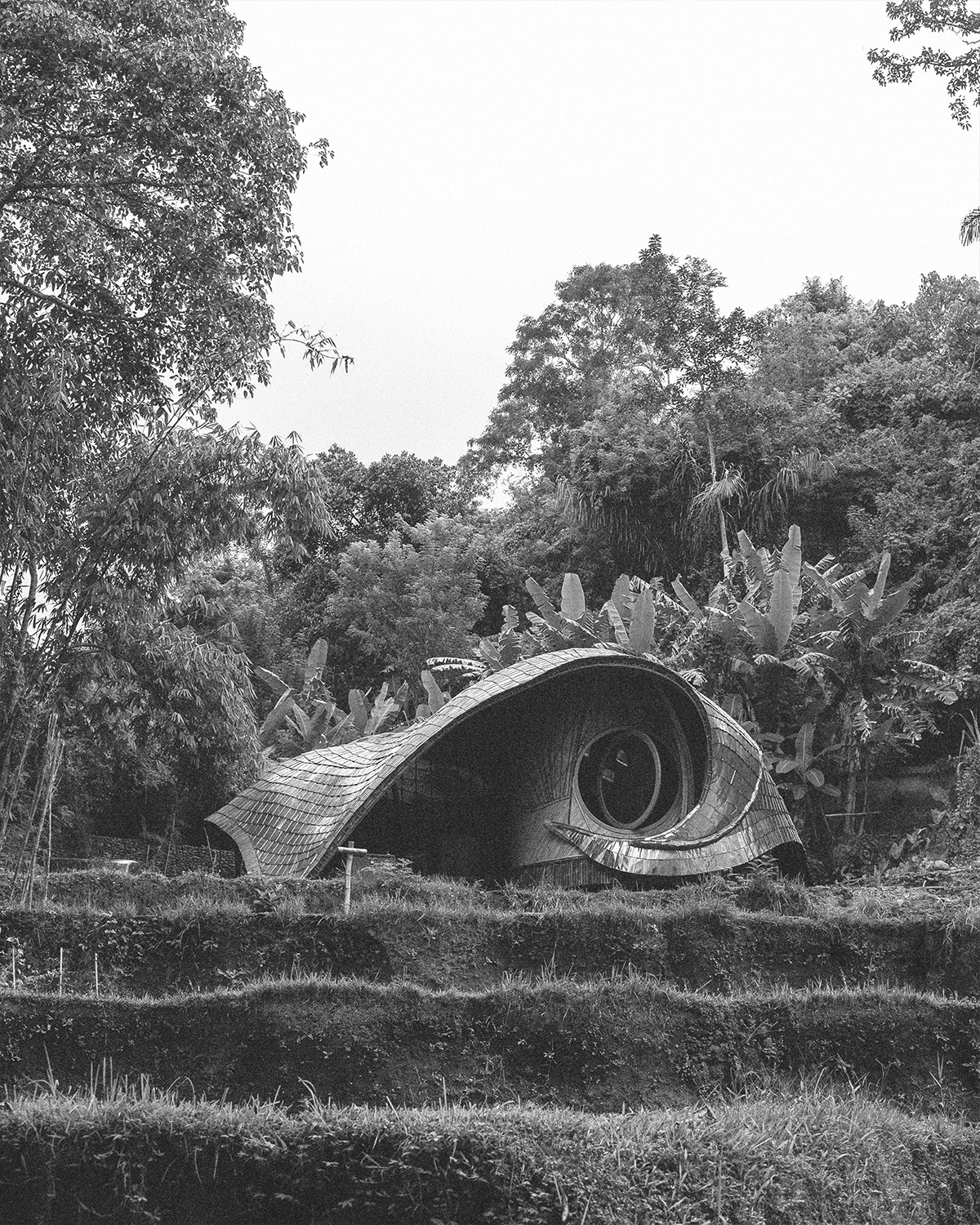
Every house has its own story. There is the Copper House on the ridge, the Guadua House with its whimsical witch's-hat roof, the Riverbend House and the Treehouse. The Moon House was built without walls, and everyone said nobody would stay there. John built an air-conditioned "bubble" inside it, and it became the most popular house at Bambu Indah, a favourite with honeymooners. Then there is the elevator. Many guests did not want to walk the 108 steps down to the river, but the elevator man insisted it had to be a metal box. John asked him whether he had ever been to a mine. Today a bamboo elevator, built like the cages used in mines and on construction sites, drops through a 20-metre shaft from the Sunset Bar to the riverside.
KEY SUSTAINABILITY INITIATIVES
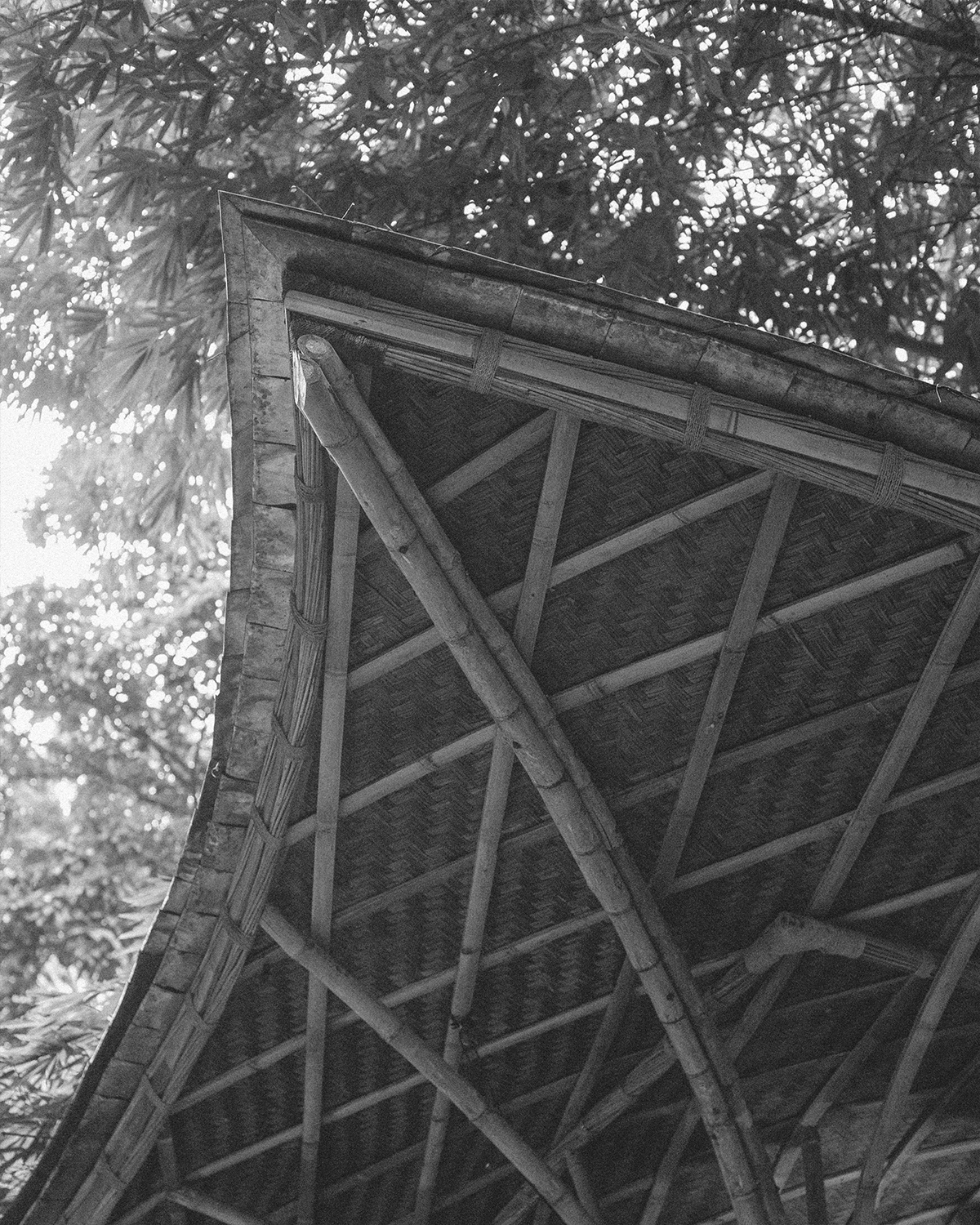
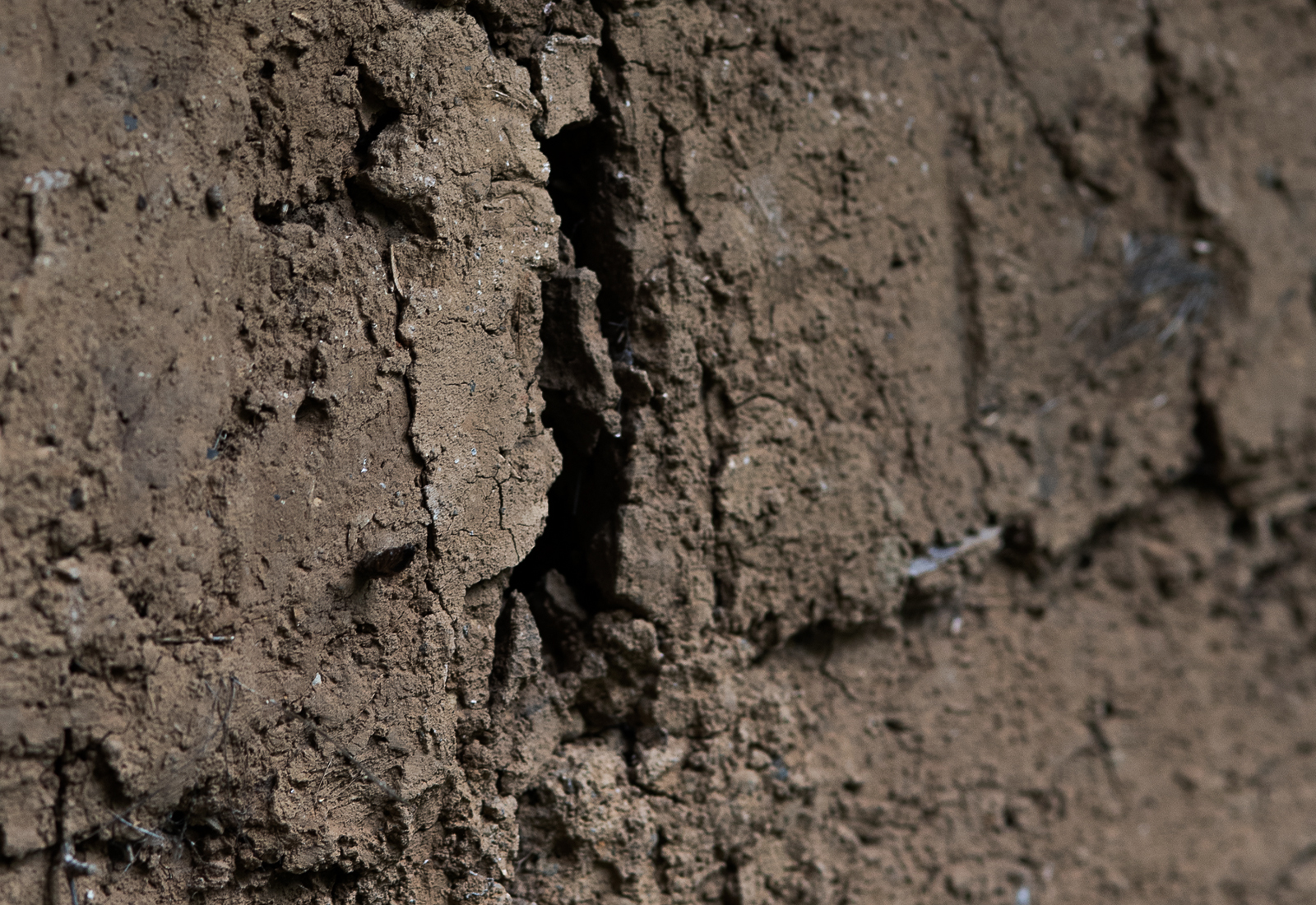
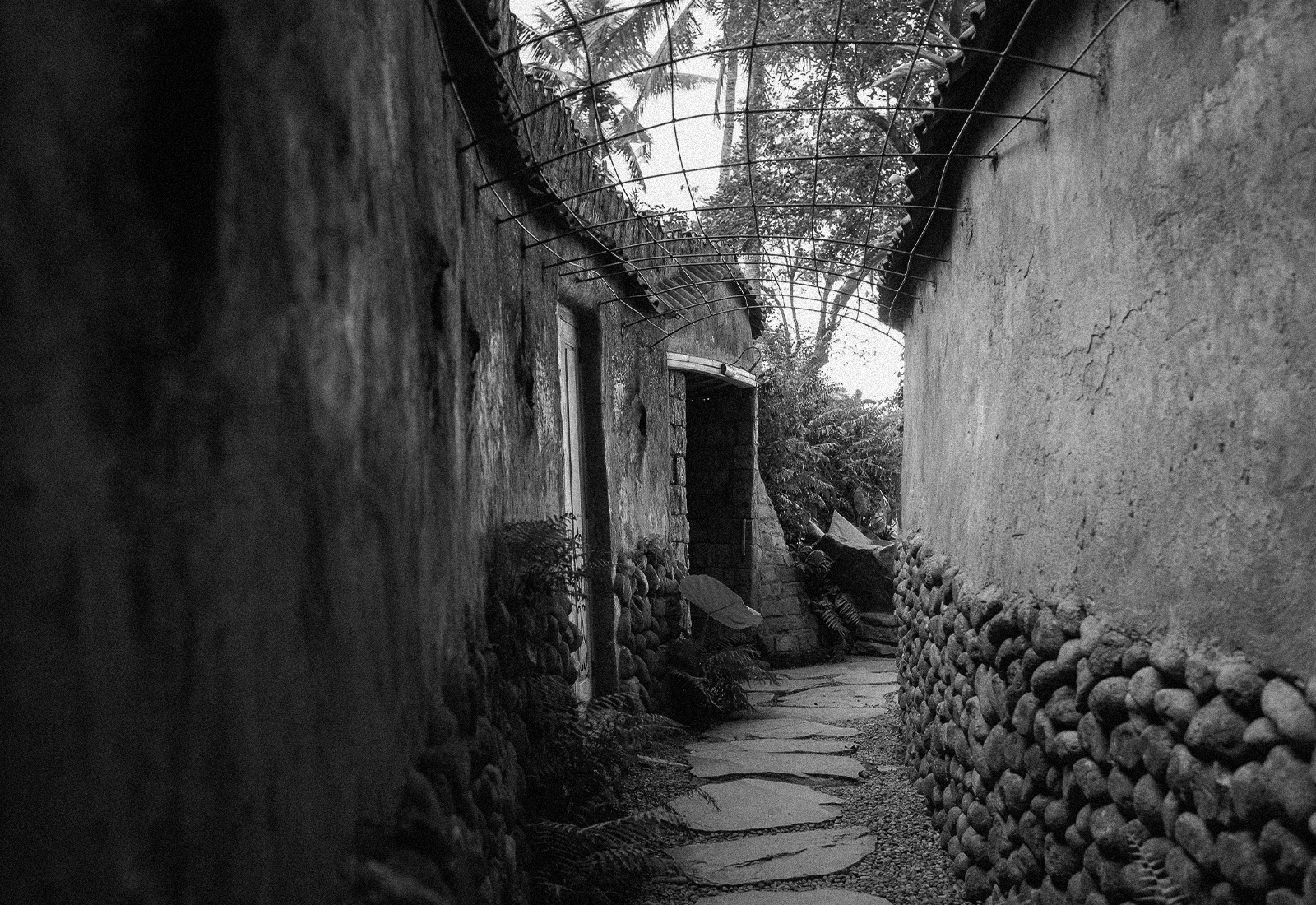
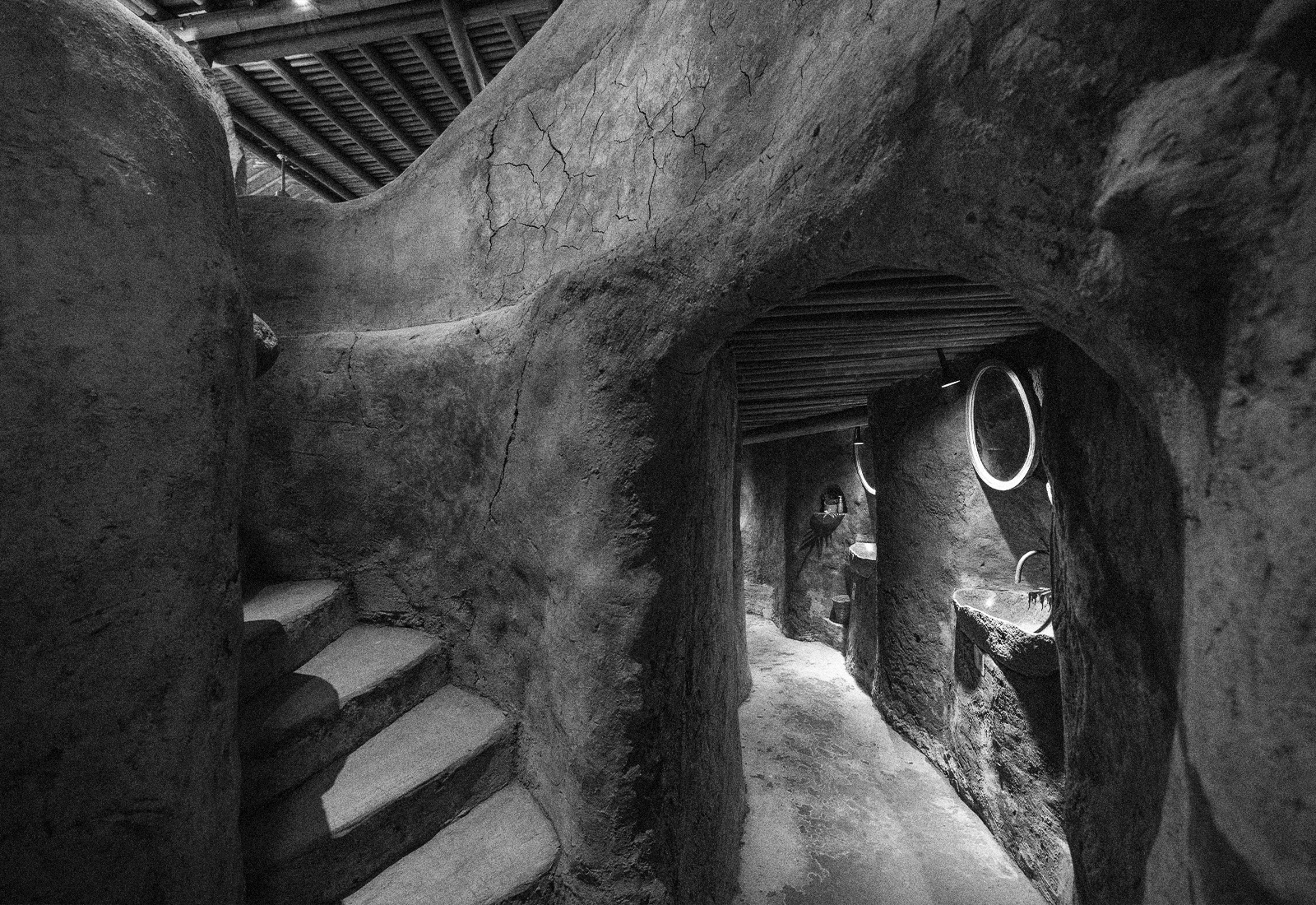
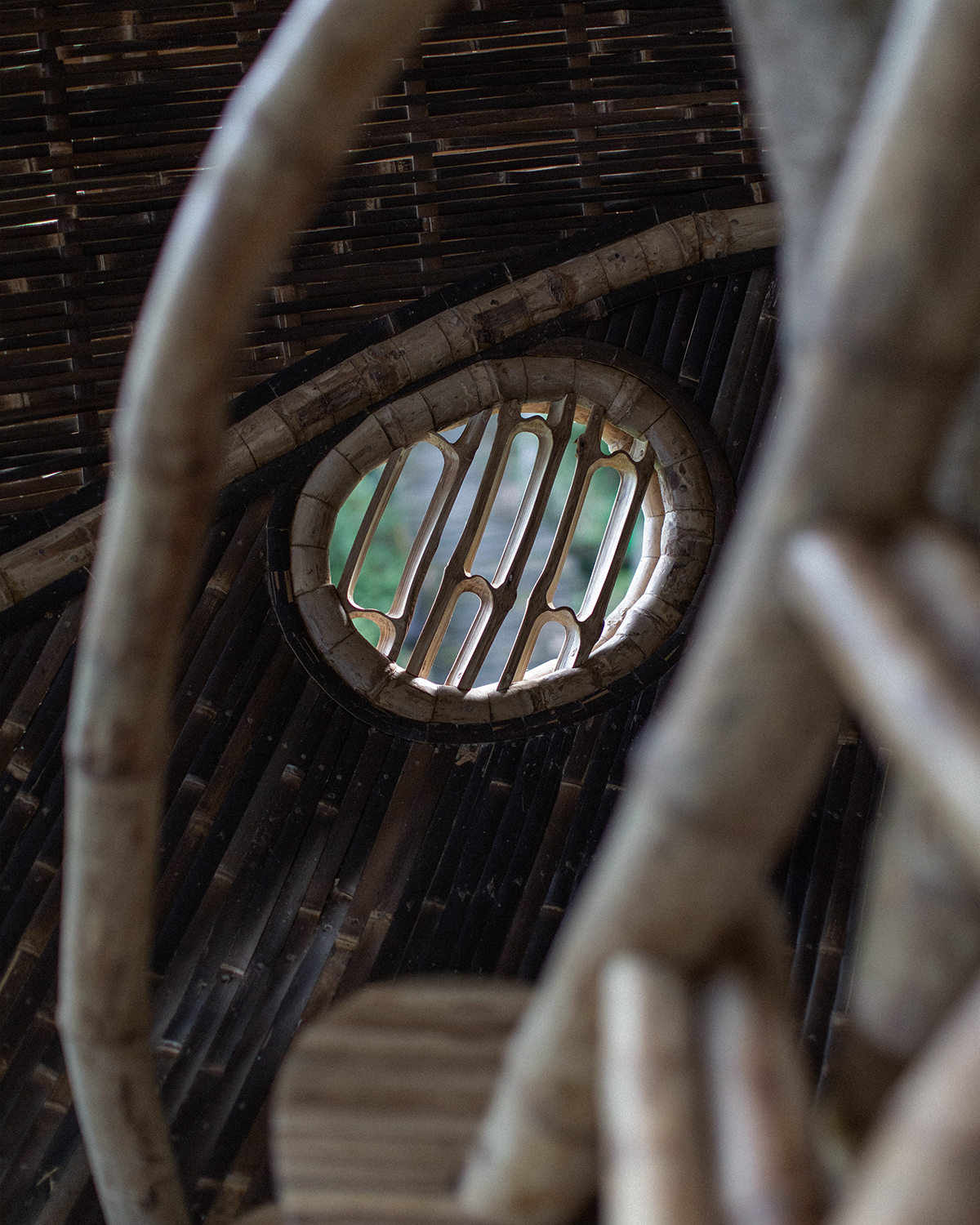
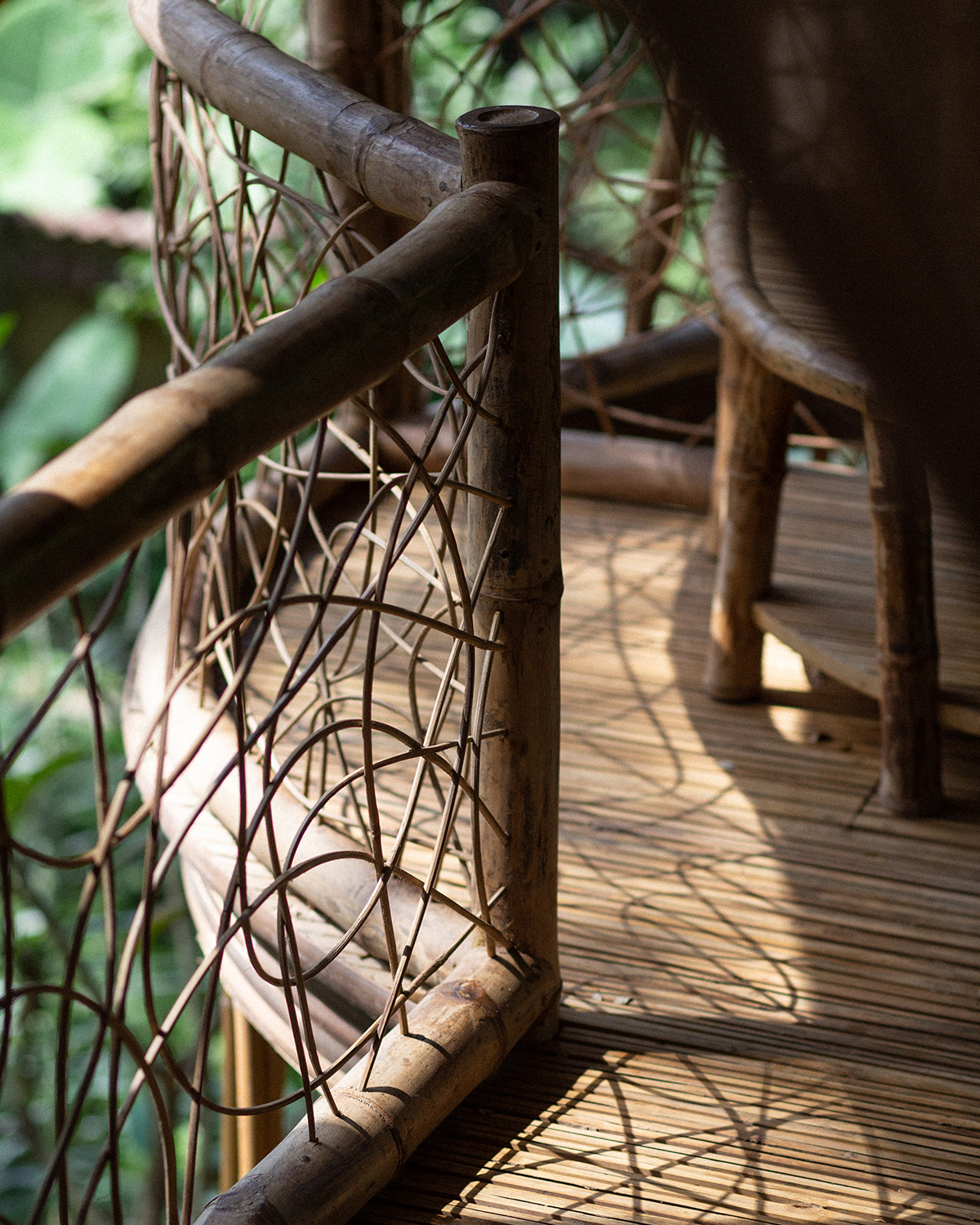
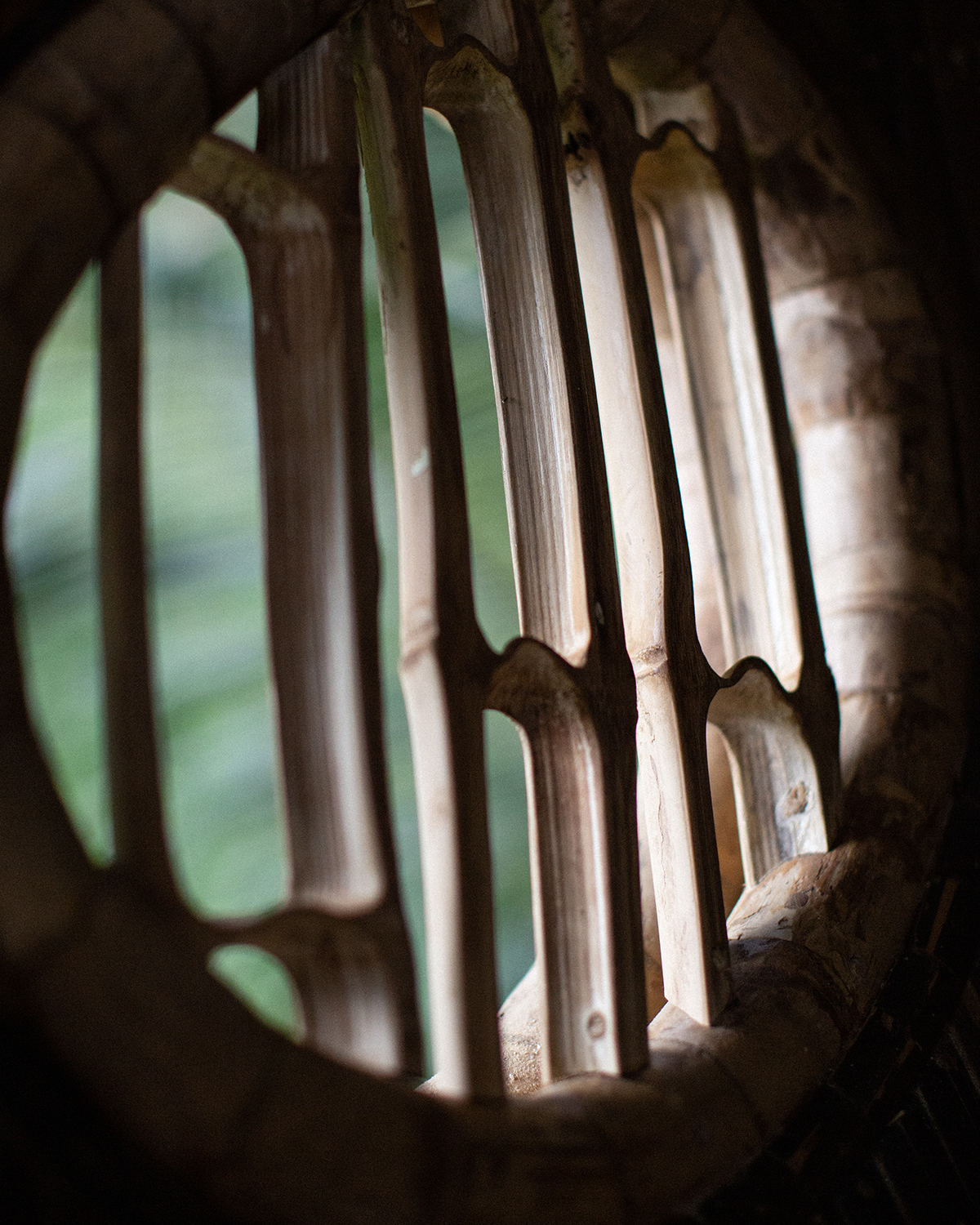
Hand-sculpted mud walls, built up layer by layer, show a dedication to traditional craft and recall scenes from Balinese villages. Paired with bamboo architecture, they reflect a lasting commitment to keeping old techniques alive. Bamboo is at the centre of it all. "People think it wears out, gets tired, breaks, doesn't last, gets eaten by bugs," the Hardys say. The first bamboo they treated with borax, now in Tembaga, is about twenty-five years old, and not a single insect has touched it. Every building stands off the ground, and the founders say the whole property could be taken apart in a few weeks and returned to the land as it was.
Water comes from the property's own spring. It is filtered through sand and ijuk (palm fibre), treated with colloidal silver and reverse osmosis, and made safe to drink in every room, with no bottled water. The same springs feed chlorine-free natural pools, cleaned by plants, stones, beneficial microorganisms and sunlight. Rainwater is harvested, greywater is reused in the gardens, and wastewater passes through bio-septic systems and constructed wetlands before it returns to the environment.
In the kitchen, oils are limited to coconut oil, extra virgin coconut oil and olive oil. Used cooking oil is turned into fuel for "coblong" lamps that light the paths at night. Around 60% of the hotel's waste is kept out of landfill. Garden waste is composted, food scraps are boiled and fed to the property's Balinese pigs, ducks and hens, and recyclables go to trusted partners.
ROLE OF PERMACULTURE GARDENS
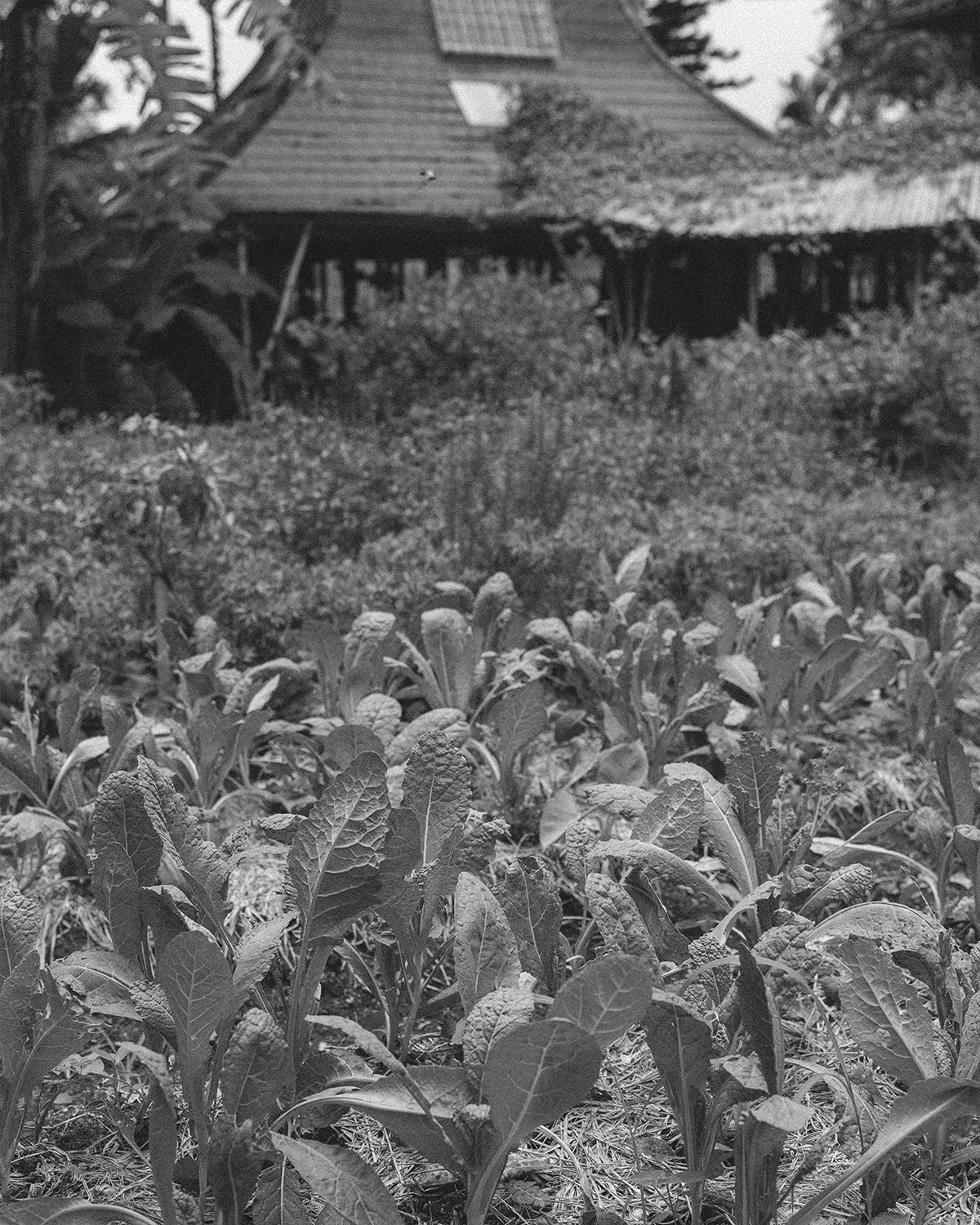
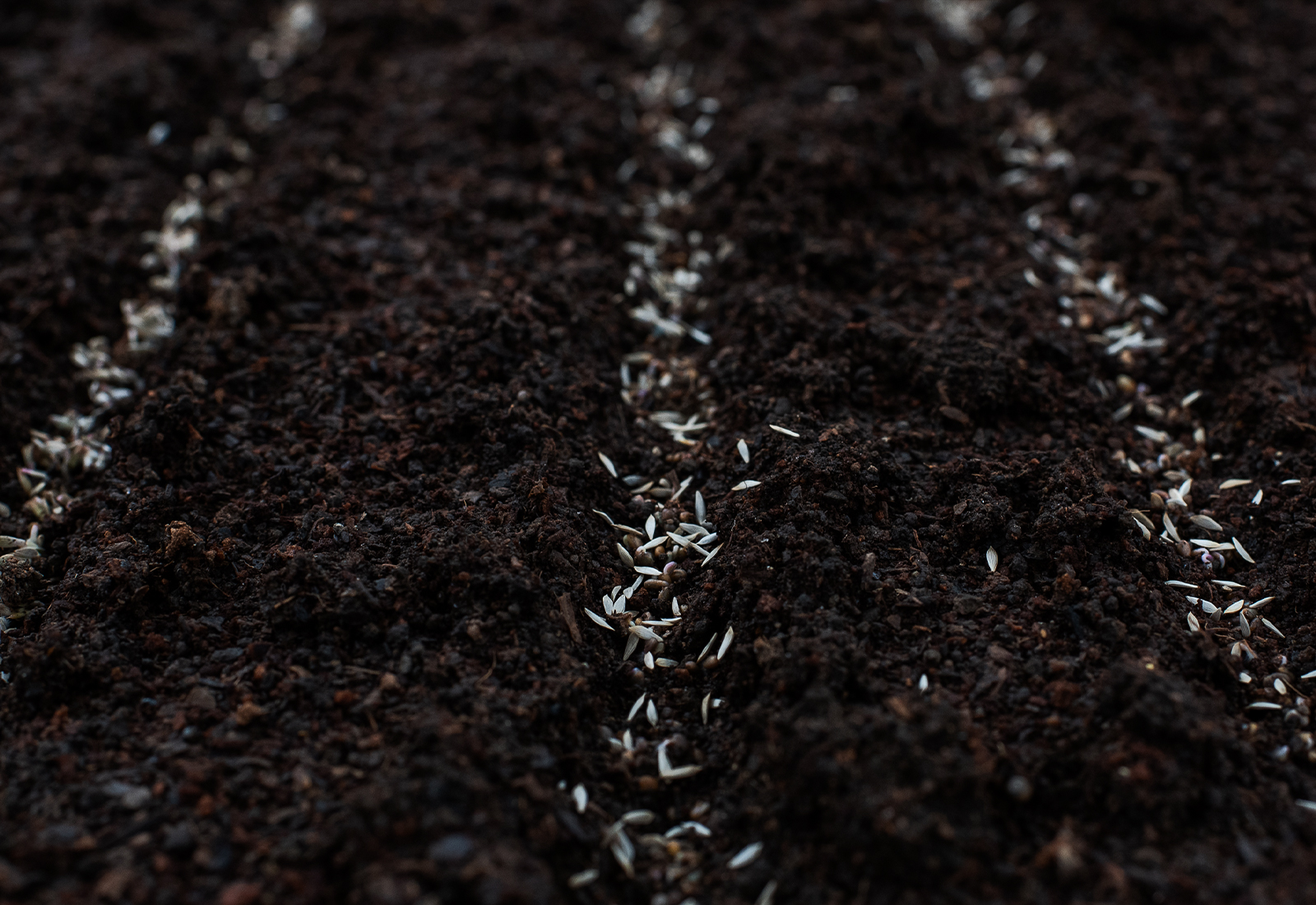
The gardening team turns organic waste into mineral-rich compost, and the farm now produces enough to enrich both the gardens and the fields. Food grows without synthetic chemicals. Marigolds deter pests, and rice paddies, ducks, mushrooms and gardens work as one circular system: the ducks help manage pests in the rice and return nutrients to the soil. As part of their efforts to manage rats naturally, the Hardys introduced owls into the ecosystem. The initiative is still being monitored to assess its effectiveness.
Guests can tour the gardens, join the rice harvest and forage for edibles such as binahong and bamboo shoots. Paths near the houses pass plots of rosella, coriander, rosemary, arugula, okra, pumpkin, spinach, chilli, torch ginger and bananas. The trees give mangosteen, soursop, nutmeg, jambu, papaya, coconuts and mangoes. The farm also produces duck and chicken eggs, freshwater shrimp, stingless bee honey and goat milk, which goes into the goat cheesecake at Tembaga. Everything harvested is used in the restaurants and the staff canteen.
It is not always easy. "Every solution that we bring is merely another trial (and error)," the Hardys admit. Rice viruses keep mutating, and "the leafhoppers never give up." The hardest lesson the land has taught them, Cynthia says, is that "not all soils are created equal".
IMPACTFUL DAILY HABITS
Cynthia starts each morning with two hours of walking, Pilates or yoga. Deep breathing grounds her before the day begins, and she balances work with time for relationships and gratitude. Her care for the environment shows in how she eats: she takes only what she needs and savours the sensory pleasures of food. Life at Bambu Indah has its own daily habits too. Guests and team join trash walks to clean the neighbourhood. The property is entirely non-smoking, with no incense, no burning candles and no cigarettes. "It's in my ethos to be near and immersed in beauty, natural beauty," Cynthia says. "We find it very healing for the soul to be living in beauty, which is nature."
HIDDEN GEMS
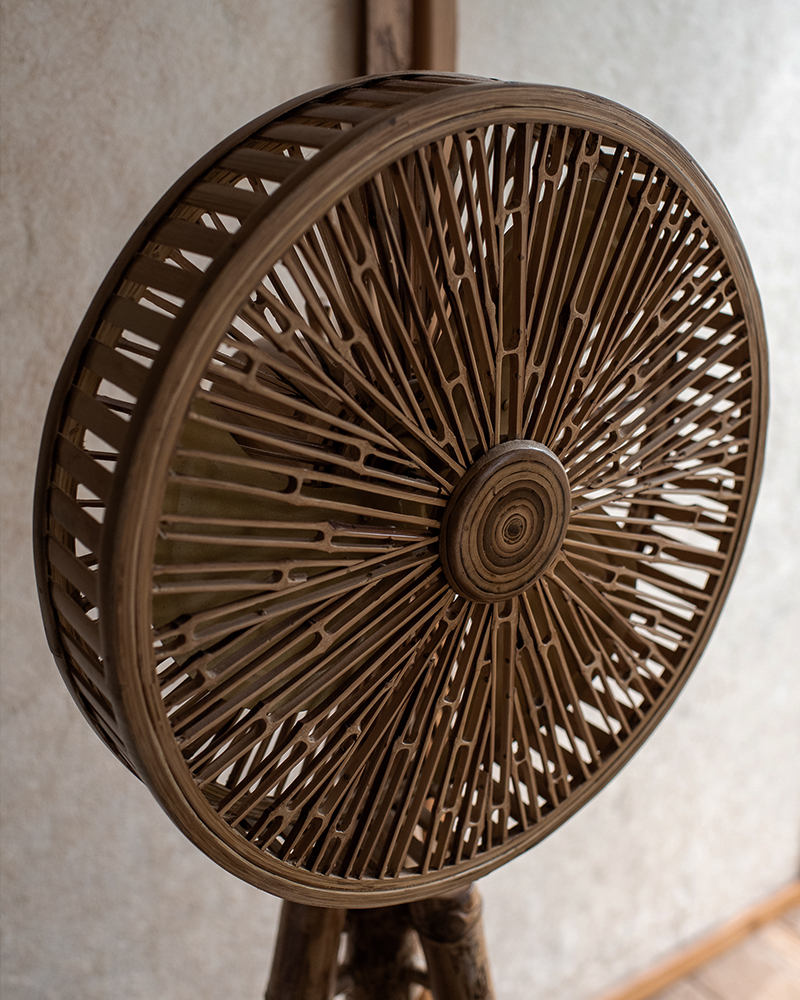
Every guest experience is looked after by an attentive team, from the rooms and linens to the lighting. Some details are easy to miss: the long table in Tembaga made from 70,000 upcycled chopsticks, the meditation caves used for breathwork and sound healing, the warm Watsu pool, the firewood sauna, or the private island in the Ayung River. The copper bathtubs and rain showers were made by the team as the houses were being built. Some guests will never notice a particular dish on the menu or a hidden corner of the grounds, and the founders are at peace with that. There is so much to discover that each guest will find something truly memorable, even if some of the nuances pass them by.
DEEP COMMUNITY INTEGRATION
The bond with the surrounding villages grows every day. The Hardy family takes part in village life. They contribute to the monthly banjar (village council) and host a community temple on their property. Villagers often drop by and invite them to their colourful ceremonies, and they join rituals at a nearby water temple between the Riverbend House and the Guadua House.
That connection runs through the business too. Of Bambu Indah's 208 team members, 95.9% are Balinese, and the hotel hires from the surrounding villages wherever it can. Many of the artisans who shaped the property have worked with the family for decades. Bambu Indah makes ongoing contributions to the customary villages of Desa Adat Sayan and Desa Adat Bongkasa, supporting ceremonies, cultural activities and community projects. It also aims to buy as much of its food as possible from local farmers. Hundreds of students and professionals visit each year to learn from its systems, and it welcomes students from The Sumba Foundation to take practical knowledge home to their own communities.
FUTURE ASPIRATIONS
Twenty years on, the founders are still asking one question: how can this last? Farmers are getting older, their children are leaving the fields, and rice land across Bali is being sold and built on. "The rice fields shouldn't be up for grabs," Cynthia says. "They shouldn't be sold. They shouldn't be built on."
So Bambu Indah is looking beyond its own borders. In Bongkasa, across the river, it is working with Astungkara Way and local farmers to protect around eight hectares of rice fields from development and to help the farmers move to organic methods. John is developing a retreat centre there in the same spirit: 20 buildings designed by IBUKU and built by Bamboo Pure, with ice baths, saunas and a signature handcrafted copper tub shaped like a shamrock. "I would love to see another Bambu Indah somewhere else," he says, "to show people that this approach can be duplicated."
Cynthia dreams of a Bali where visitors come to learn from the Balinese, how to weave a textile, carve a mask or make offerings, and where tourism brings real benefits back to the villages. Grateful for the life Bali has given them, the Hardys hope to leave a legacy of care for the land: to tread lightly, preserve the island's natural beauty and inspire others to do the same. As John puts it: "Let nature be. Let's work with nature instead of destroying it with a concrete nightmare."
EXPLORE THE PUNCH
Celebrating Remarkable
Businesses with Impact